Accidental Twitching
It began with the curiosity of my son.
A question on a walk. A sudden pause beneath the trees. “Mum, what bird is that?”
We didn’t know the answer, and it didn’t matter. We stood still anyway, listening and watching, letting the question open into something larger.
When we moved into our new home, nature introduced itself immediately. On our first day, a kangaroo grazed on our grass - calm, unbothered - before hopping down the driveway and out of sight. It felt less like an encounter and more like a reminder: this place was already alive before we arrived.
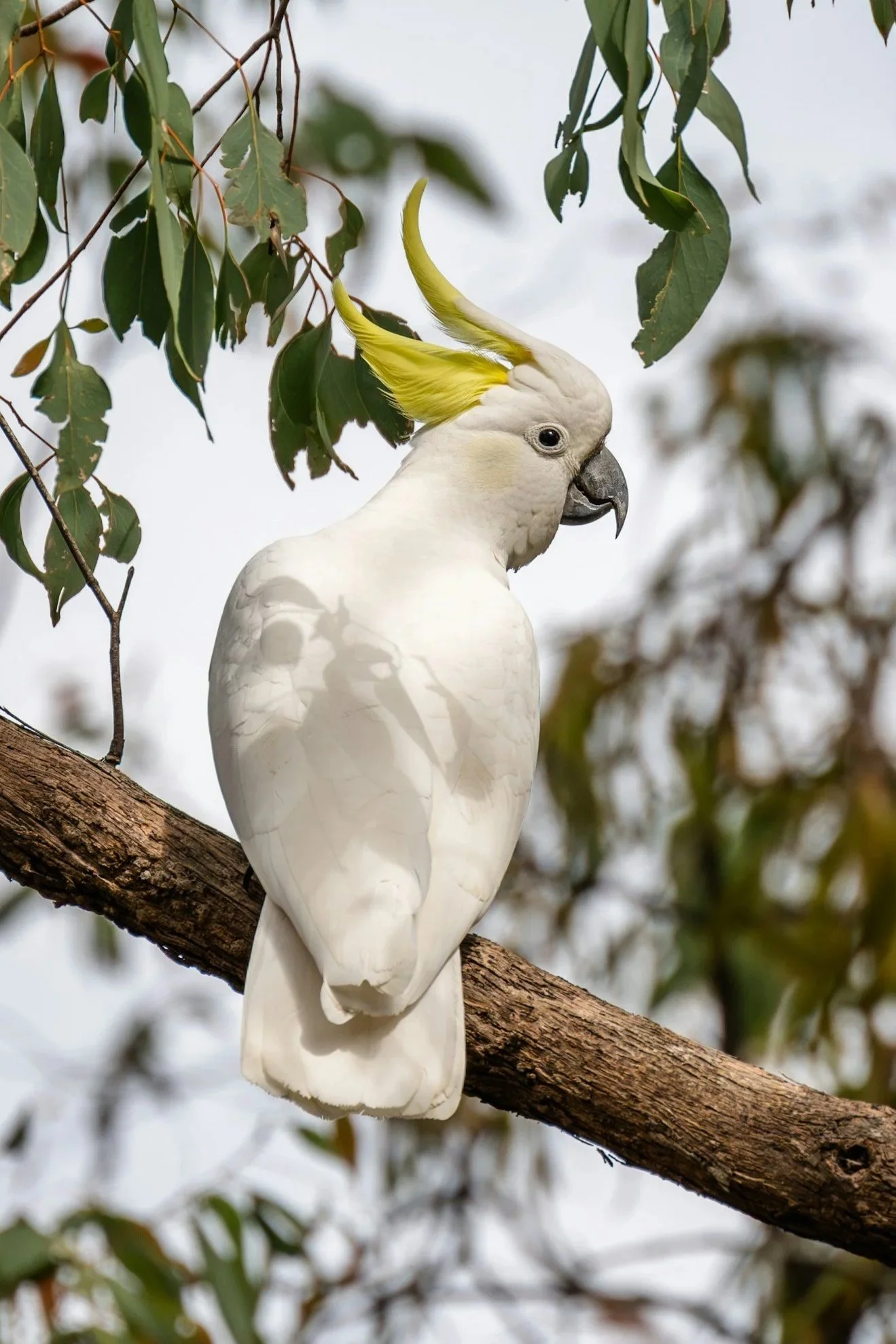
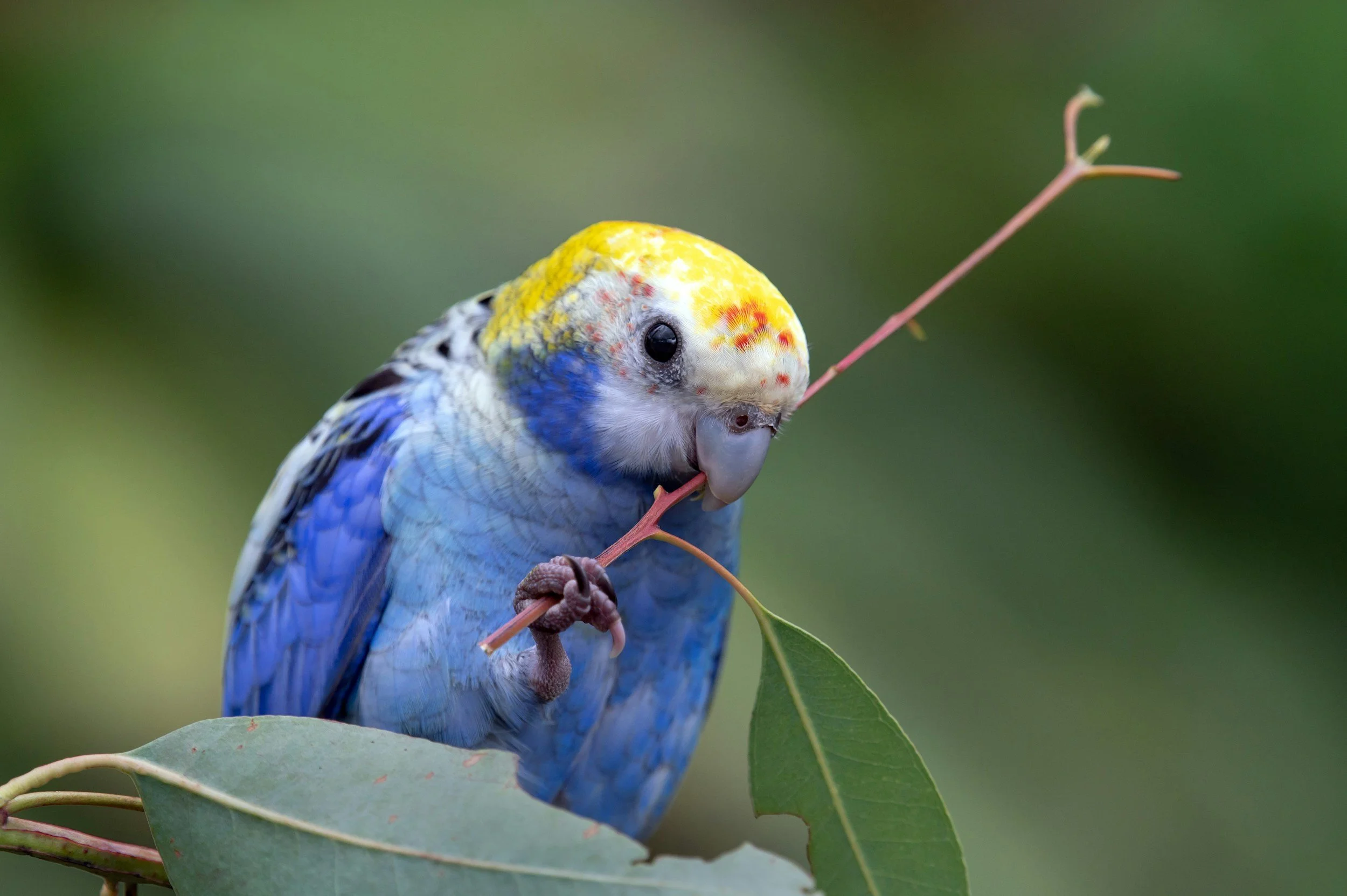
Living here, we are more integrated into nature. It doesn’t sit at the edges of our lives; it moves through them. Birds visit daily now. Currawongs calling from the trees. Peaceful doves landing softly on the fence. Cockatoos arriving loudly and without apology. Pale-headed rosellas and rainbow lorikeets streaking colour across the sky.
These encounters have shifted the rhythm of our days. Watching happens between ordinary moments - making breakfast, packing school bags, reading books. My child notices first, almost always. A sound. A flicker of movement. A question.
Somewhere along the way, this became bird watching. Or twitching, as I’ve since learned it’s called - though that still feels far too intentional for how it started. This was accidental twitching. Watching without binoculars, lists, or expertise.
Until, quietly, it wasn’t.
We are, it turns out, fully committed. We now own binoculars. We have a life list. We’re learning names and calls properly, not just “that noisy one”. There are conversations about markings. There are plans for gardens that welcome birds and other wildlife - not ornamental, but useful. Spaces that offer food, shelter, and somewhere to linger.
What’s changed most is my attention. Noticing absences as much as arrivals. Sensing the season shift through sound and movement rather than dates on a calendar. The landscape feels less like scenery and more like a community. Time loosens its grip a little and the day opens. The mind settles, without trying to.
This isn’t mindfulness as an achievement or a discipline. There’s nothing to master. It’s simply what happens when you stop long enough to notice what’s already there. There’s something anchoring about this kind of noticing. It asks very little. It softens the day. It reminds me that the world is alive in ways that don’t require my participation, only my presence.
Following my son’s curiosity has taught me how to return - again and again - to the present moment. Not to label or control it, but to stand inside it.
Perhaps that’s what coming home really is?