The War After the War: Unmasking the Invisible Odds
When a landmine or other explosive remnant of war detonates, the effects are immediate and violent. There is the blast itself. The force of fragmentation. The injuries that follow in an instant. These moments are what we see, and what we tend to count. They shape how explosive weapons are understood: as discrete events with immediate consequences - injury or death.
But this is only part of the picture.
Like the scribbled notes in the margins of a journal, some statistics stay with you long after the data has been cleaned and the paper published. They become a lens through which you see every field, every forest, and every village in a post-conflict zone.
For me, that number is 38.8%
In my latest research, we pooled operational data from 17 countries across Asia, Europe, Africa, and South America - 105,931 casualties in total.
The findings were sobering: nearly 4 in 10 victims die from their injuries.
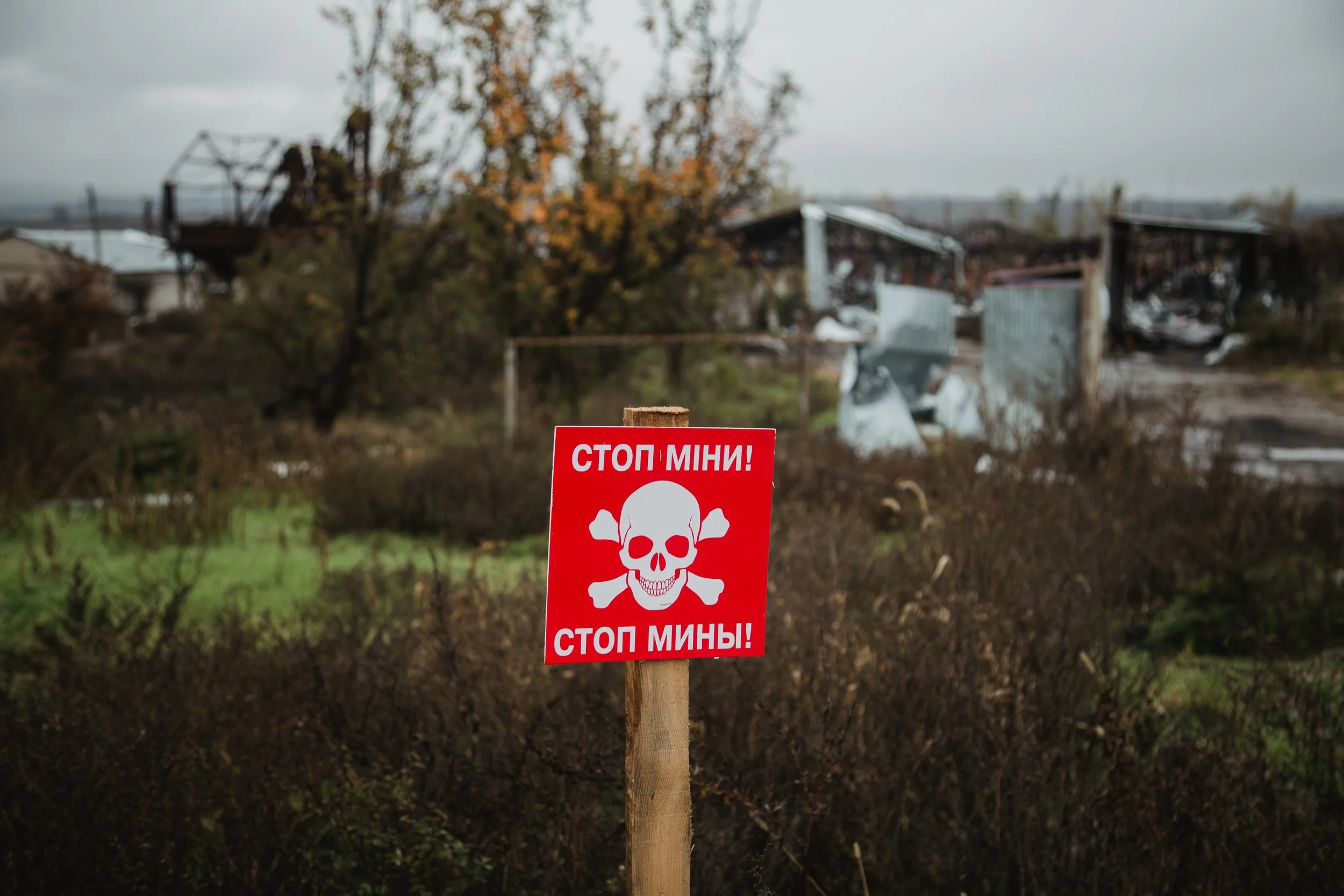
We often talk about landmines or explosive remnants of war as "legacy" issues, as if they are static relics of a finished history. But for the communities I’ve sat with lands contaminated by these weapons, the ground is an active participant in an ongoing conflict. It is a landscape that holds its breath.
When a blast occurs, the injury is only the first threshold. The real battle for survival happens in the minutes and hours that follow - the "golden hour" that so often eludes those living far from the paved roads of the capital.
As epidemiologists and public health researchers, we look for the patterns. What we found in this study was a clear map of inequity:
The Gender Paradox: While men and boys are more frequently injured (often due to livelihoods like farming or foraging), women face significantly higher odds of death once an injury occurs. This isn't biological; it's structural. It’s the shadow of a world where a woman’s access to emergency transport, blood products, or surgical care is curtailed by the very margins she inhabits.
The Age of Resilience: There is a bittersweet nuance in the data regarding children. While they often survive the initial blast at higher rates than adults, they face a lifetime of complex rehabilitation - physical, psychological, and social. Their survival is a beginning, not an end.
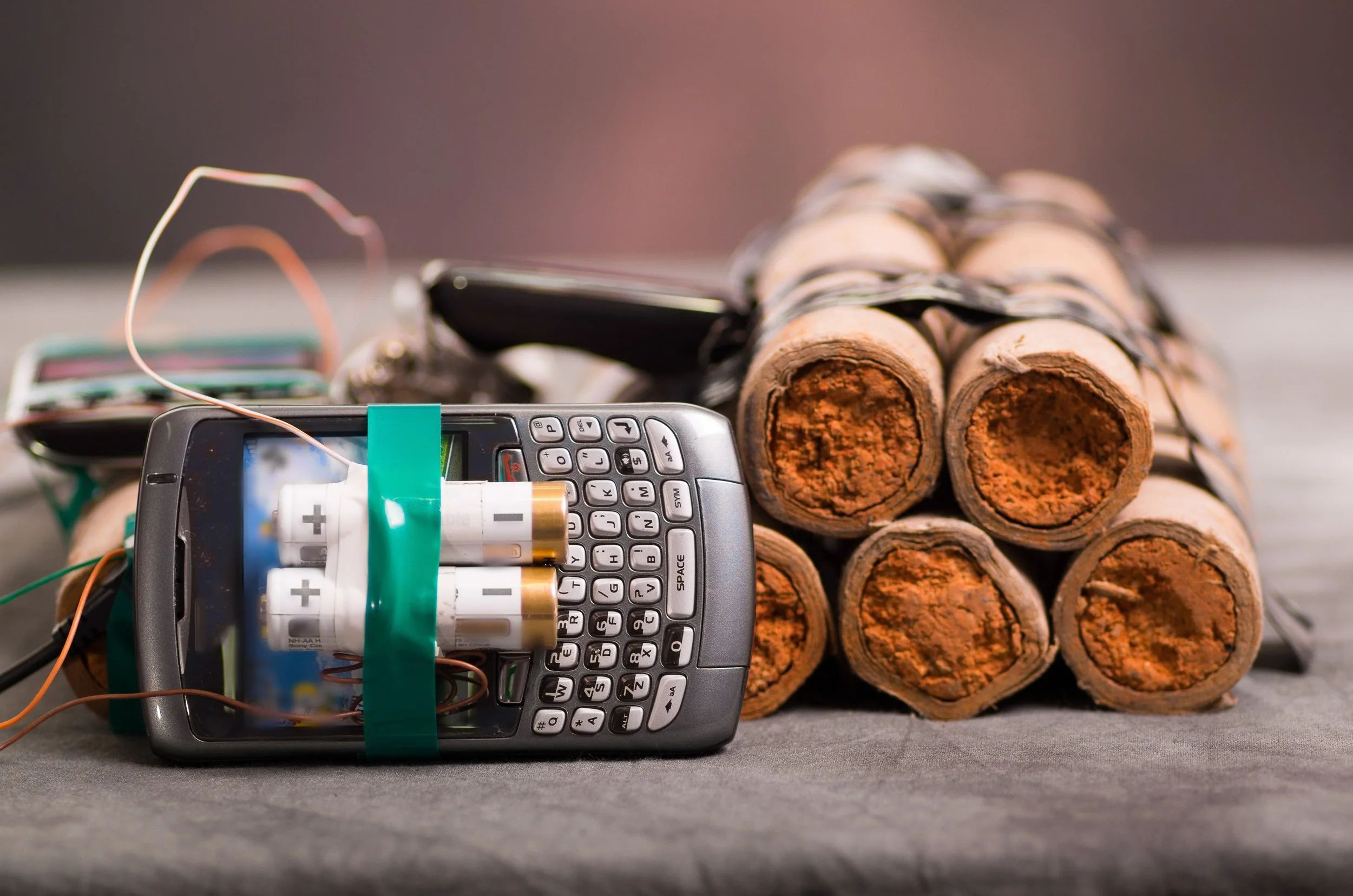
The IED Shift: Improvised Explosive Device (IED) are increasing in use and they carry four times the odds of death than conventional landmines. These are the ghosts of modern warfare—unpredictable, powerful, and designed to shatter the sense of safety in one's own backyard.
People often ask me why I spend my time immersed in such heavy data. It’s because the ground is not neutral, and the harm is not evenly distributed.
We need to understand that the "reverberating effects" of conflict don't just stop at the hospital door. They live in the soil, in the gender roles of a village, and in the decades of rehabilitation ahead for a child, in a world where the playground might still be a landscape of risk.
We count the dead so we can prevent further deaths.
The numbers demand we redesign: roads reaching rural clinics, care protocols that see gender, community first aid responder training, villages protected from climate-driven remobilisation of explosive devices.
We count the dead to silence the landscape's breath forever.